Waste
WASTE MANAGEMENT
Building Safer, Cleaner, and Zero-Waste Healthcare Facilities
Healthcare waste, if mismanaged, poses serious risks to human health and the environment. H.E.L.P. supports hospitals in building compliant, non-polluting, and cost-effective waste management systems that reduce infection risks, protect communities, and move healthcare facilities toward zero-waste operations.
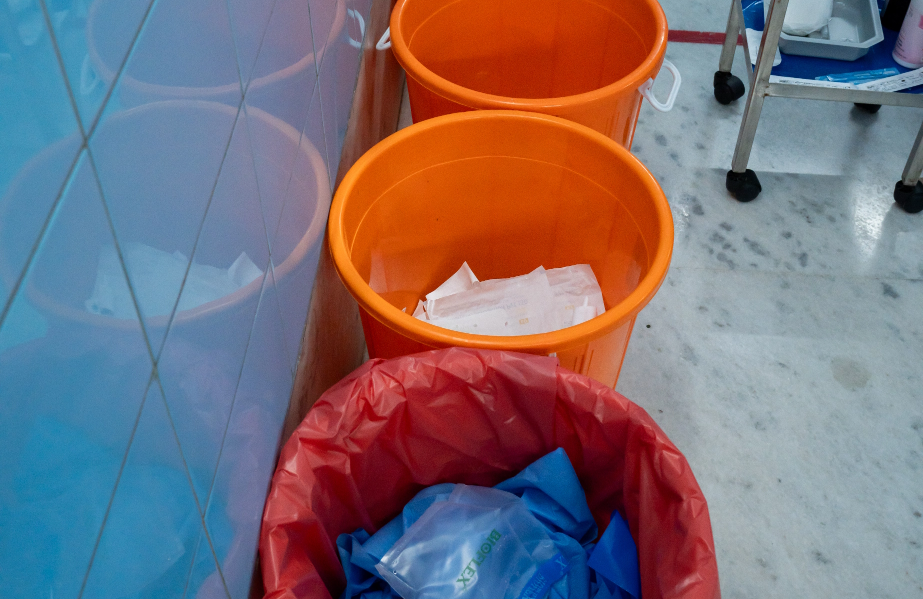
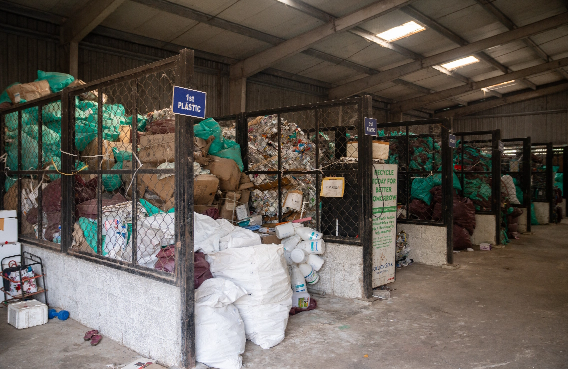
HEALTHCARE WASTE SEGREGATION BINS
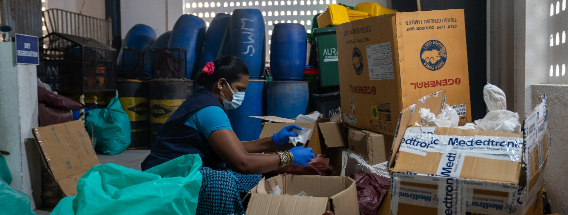
HOSPITAL STAFF HANDLING WASTE CORRECTLY
CLEAN, NON-BURNING TREATMENT VISUALS
Why Waste Management Matters
Healthcare systems exist to protect health, but unsafe waste practices can undermine patient safety, occupational health, and environmental protection.
- Poor waste management increases healthcare-associated infections (HAIs)
- Incineration and open burning release toxic pollutants that affect surrounding communities
- Non-compliance exposes hospitals to regulatory penalties, reputational risk, and rising costs
Safe, sustainable waste management is essential for infection prevention, environmental protection, and public trust in healthcare systems.
Healthcare Waste in India
India generates an estimated 600–850 tonnes of biomedical waste every day, produced by over 300,000 healthcare facilities nationwide.
• More than 15% of biomedical waste remains untreated, often due to poor segregation and weak systems
• Mixing hazardous and non-hazardous waste increases treatment costs and environmental harm
• Biomedical waste volumes continue to rise with expanding healthcare services
This makes systematic waste reform an urgent national priority.

Risks of Poor Waste Management
Public Health Risks
• Increased exposure to pathogens, sharps, and infectious materials
• Higher infection risks for patients, healthcare workers, and waste handlers
• Weak waste systems compromise infection prevention and control (IPC)

Risks of Poor Waste Management
Environmental & Climate Risks
• Incineration releases dioxins, furans, and particulate matter, linked to respiratory disease and cancer
• Improper disposal contaminates soil and water, affecting nearby communities
• Unsustainable waste practices increase the healthcare sector’s pollution and carbon footprint

Our Approach
To Sustainable Waste Management
H.E.L.P. supports healthcare facilities through compliance-driven, evidence-based, and circular waste systems.
Moving Towards Circular Systems
- On-site composting for organic waste
- Recycling partnerships for dry and recyclable waste
- Eliminating unnecessary single-use materials in administrative and non-clinical zones
Reducing Hazardous Incineration
- Achieving up to 60% reduction in hazardous waste sent for incineration
- Preventing release of dioxins, furans, and heavy metals
- Promoting non-burning treatment technologies in line with WHO recommendations
Compliance & Capacity Building
- Full compliance with the Bio-Medical Waste Management Rules (2016)
- Comprehensive source segregation training for all hospital staff
- Standardized color-coded segregation protocols
- Improved audit readiness and regulatory reporting
What This Means
- Healthcare contributes significantly to national emissions
- Climate change increases disease burden and health emergencies
- Hospitals must both reduce harm and protect communitie
GET YOUR MEMBERSHIP
Zero cost. Infinite possibilities.