Climate Change
CLIMATE CHANGE
Building Climate-Resilient and Low-Carbon Healthcare Systems
Climate change is one of the greatest public health challenges of the 21st century and healthcare systems are both impacted by climate change and contributors to it. In India, rising temperatures, extreme weather events, air pollution, and climate-sensitive diseases are placing growing pressure on hospitals and health services.
H.E.L.P. supports healthcare facilities to reduce carbon emissions, strengthen climate resilience, and protect communities. Through renewable energy, sustainable waste systems, and climate-smart infrastructure, we help hospitals lead the transition toward safe, resilient, and environmentally responsible healthcare.
CLIMATE SMART INFRASTRUCTURE
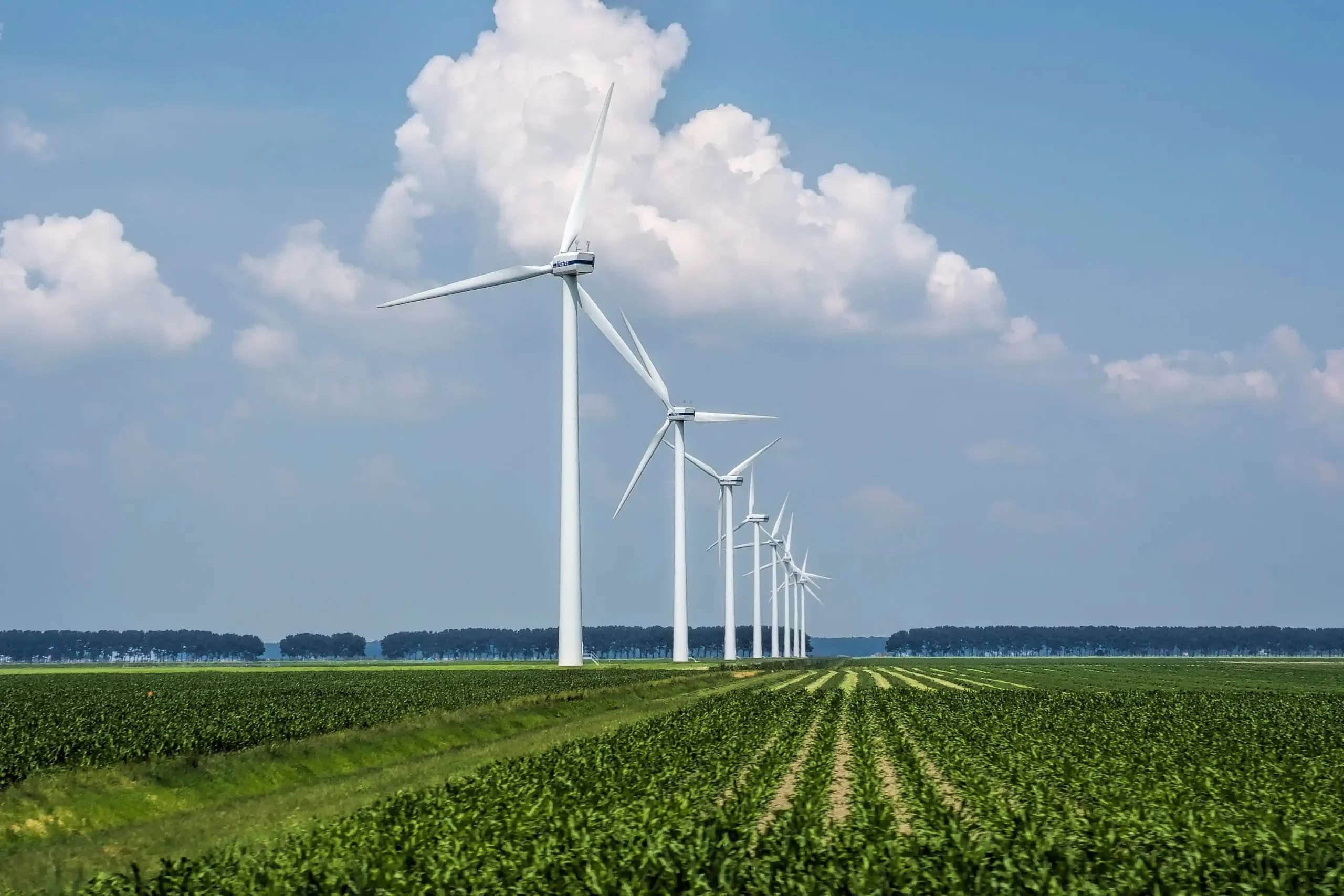
RENEWABLE ENERGY
SUSTAINABLE WASTE SYSTEMS
Why Climate Change Matters
Healthcare systems play a critical role in protecting public health, but they also have a growing environmental footprint. Addressing climate change within healthcare is essential to safeguard both human health and the ecosystems that support it.
Healthcare Contributes to National Emissions
Healthcare Contributes to National Emissions Healthcare facilities are energy-intensive and resource-dependent. Hospitals rely on continuous power, water, transportation, and waste systems, making the sector a significant contributor to national greenhousegas emissions. Reducing healthcare emissions is essential for achieving India’s climate goals.

Climate Change Increases Disease Burden and Health Emergencies
Rising temperatures, extreme weather events, and changing ecosystems are increasing heat-related illnesses, respiratory diseases, vector-borne infections, and disaster-related injuries. Climate change places additional strain on hospitals already facing high patient demand and limited resources.

Hospitals and healthcare organizations Must Reduce Harm and Protect Communities
Hospitals and healthcare organizations have a dual responsibility:
• Reduce environmental harm caused by emissions, pollution, and unsafe waste practices
• Protect patients, staff, and surrounding communities from climate-related health risks
Climate-smart healthcare systems ensure continuity of care during emergencies while minimizing negative environmental impacts.

Our Approach
H.E.L.P. supports Indian healthcare institutions in addressing climate change by reducing their environmental footprint and strengthening resilience to climate-related health risks. We work with hospitals to cut greenhouse gas emissions while preparing facilities to respond to extreme weather, heat stress, and climate-sensitive diseases.
Compliance & Capacity Building
- Measuring healthcare emissions across energy, waste, supply chains
- Identifying cost-effective strategies to reduce greenhouse gas emissions
- Supporting hospitals in setting climate targets and tracking progress
Climate-Resilient Health Infrastructure
- Assessing facility vulnerability to heat, floods, and extreme weather
- Strengthening emergency preparedness and continuity planning
- Integrating climate risk into hospital operations and planning
Renewable Energy Transition
- Supporting adoption of solar and clean energy systems
- Improving energy reliability during power outages
- Reducing operational costs and long-term emissions
Sustainable Transport & Supply Chains
- Reducing emissions from logistics, procurement, and staff mobility
- Promoting local, low-carbon, and efficient supply systems
Climate-Smart Building Design
- Energy-efficient hospital design and retrofitting
- Passive cooling, efficient HVAC systems, and low-carbon materials
- Designing facilities suited to India’s diverse climate zones
OurWork & Impact
Heat Illnesses & Health Facility Preparedness
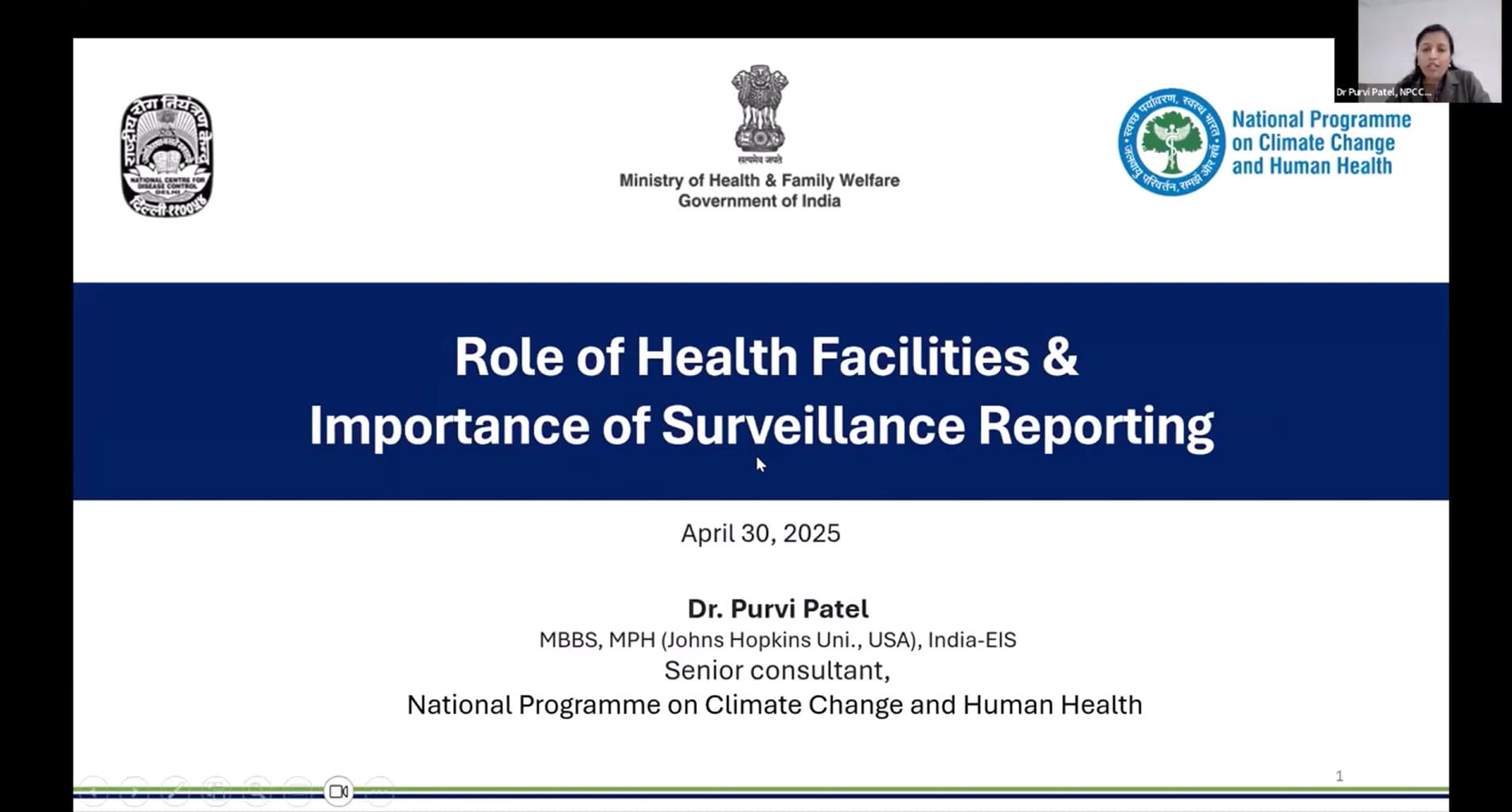
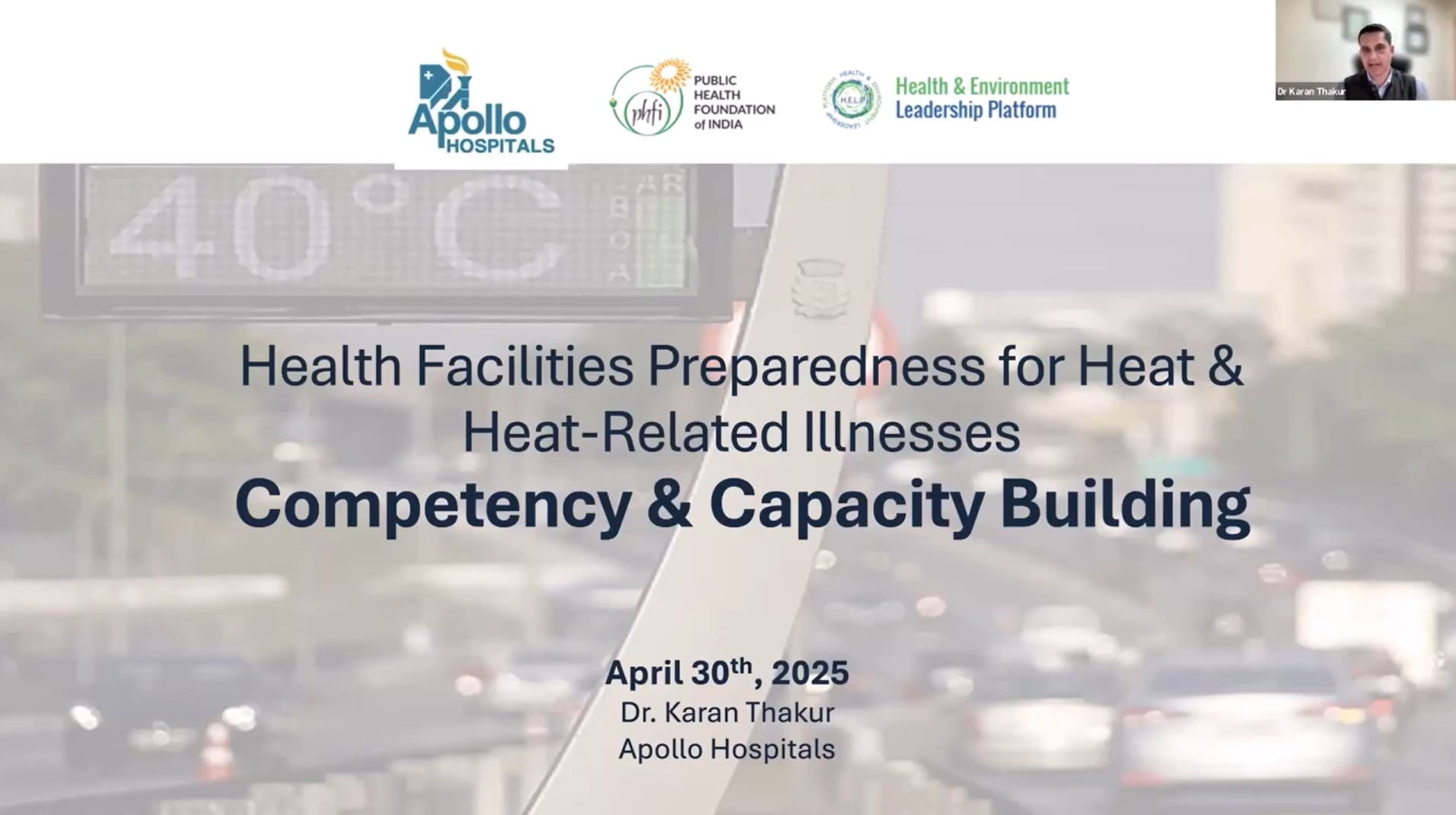
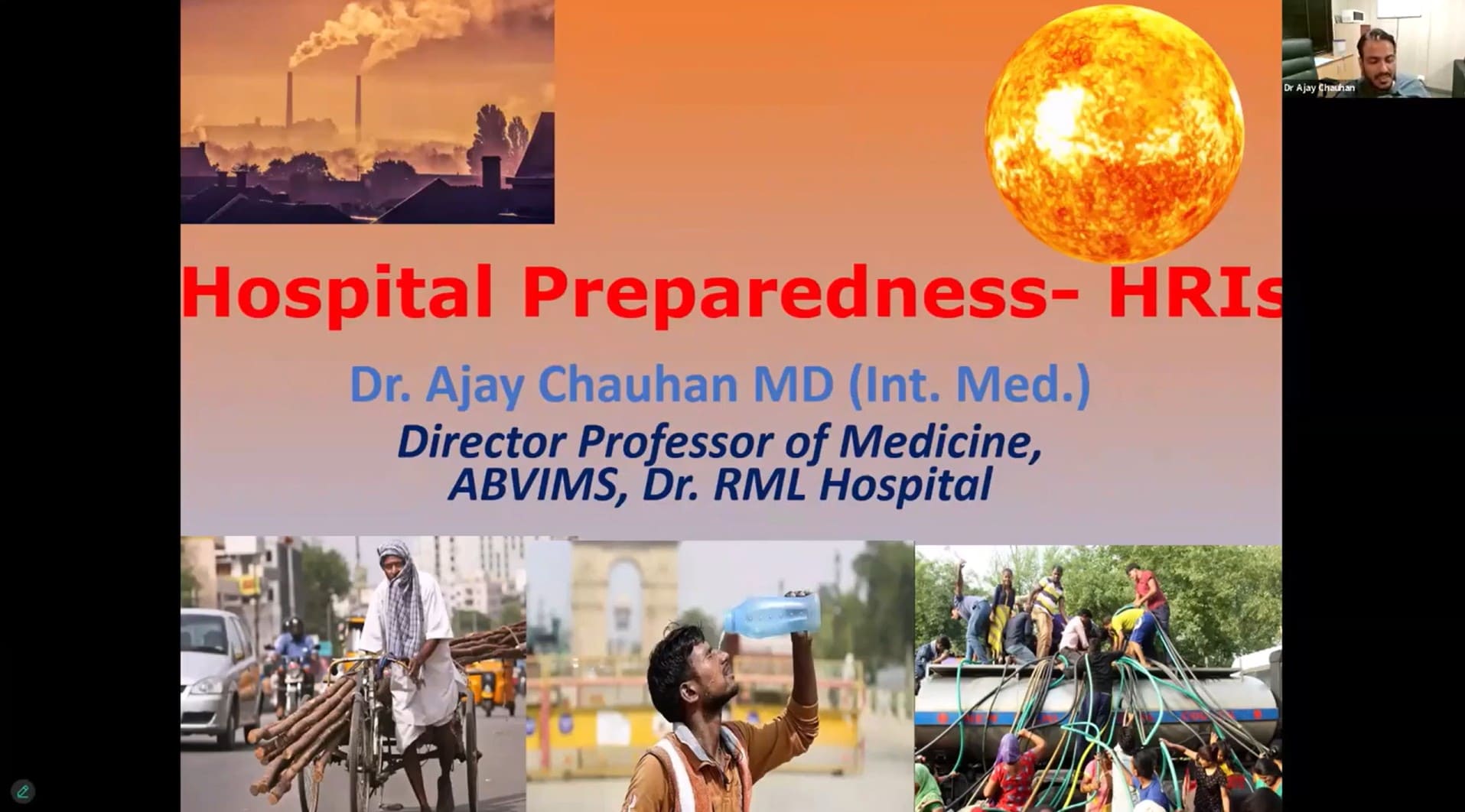
As part of its commitment to strengthening climate-resilient healthcare systems, H.E.L.P. organized a national capacity-building webinar on Heat Illnesses and Health Facility Preparedness on April 30, 2025.
The webinar was hosted in collaboration with the National Programme for Climate Change and Human Health and the National Centre for Disease Control, Government of India, to enhance preparedness of healthcare facilities for heatwaves and heat-related illnesses.
Why It matters
- Reduce healthcare-associated infection risks
- Improve occupational safety for healthcare workers
- Lower air and environmental pollution
- Reduce long-term waste management costs
- Strengthen regulatory compliance and audit performance
GET YOUR MEMBERSHIP
Zero cost. Infinite possibilities.