
Plastic
PLASTIC
Reducing Single-Use Plastics in Healthcare
Healthcare relies heavily on single-use plastics to ensure infection prevention and patient safety. However, excessive and avoidable plastic use has become a growing environmental and public health challenge.
H.E.L.P. addresses plastic pollution in healthcare by assessing single-use plastic consumption and implementing targeted reduction strategies across Indian hospitals. Our approach promotes safe reusable alternatives for non-critical applications, eliminates unnecessary plastics such as bottled drinking water, and strengthens plastic waste segregation systems.
Safer Healthcare with Less Plastic
Plastic reduction in healthcare is possible, without compromising patient safety. H.E.L.P. supports hospitals to reduce single-use plastics, adopt safe reusable alternatives, and strengthen recycling systems, helping healthcare facilities protect patients, communities, and the environment.
Plastic Use in Healthcare
- Healthcare facilities are among the largest institutional consumers of single-use plastics
- A significant share of plastic used in hospitals is non-critical and replaceable
- Studies show that 40–50% of plastic waste in healthcare settings can be avoided, reused, or recycled with proper systems
- Regulatory frameworks in India increasingly emphasize plastic reduction, segregation, and producer responsibility
This creates a strong opportunity for safe, system-based plastic reduction within hospitals.
REUSABLE HOSPITAL ITEMS
WATER DISPENSERS REPLACING BOTTLED WATER
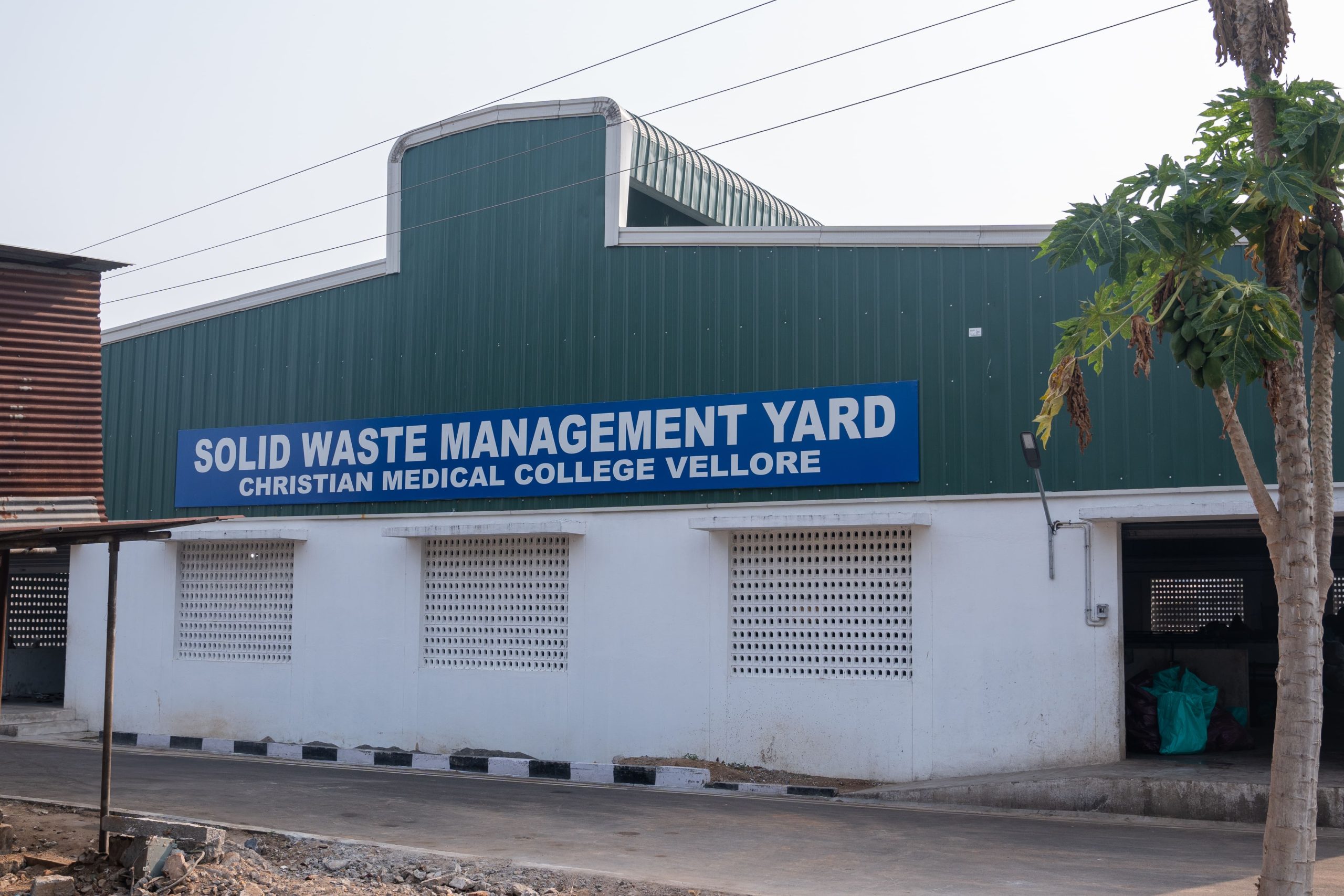
CLEAN, SORTED PLASTIC WASTE STREAMS
Why Plastic Reduction Matters
Healthcare plastic pollution has long-term consequences that extend far beyond hospital walls. Plastic reduction in healthcare is possible, without compromising patient safety. H.E.L.P. supports hospitals to reduce single-use plastics, adopt safe reusable alternatives, and strengthen recycling systems, helping healthcare facilities protect patients, communities, and the environment.
Patient & Staff Safety
• Any plastic reduction strategy must maintain infection prevention and control (IPC)
• Safe systems ensure compliance with clinical, hygiene, and regulatory requirements

Environmental & Public Health Impact
• Single-use plastics persist for decades, contributing to microplastic pollution in soil, water, and food systems
• Plastic waste mismanagement increases environmental contamination and community exposure

Waste Management Pressure
• Plastics form a large share of healthcare waste streams
• Poor segregation reduces recyclability and increases landfill and incineration loads
Responsible plastic reduction protects healthcare quality today while safeguarding environmental health for the future.