HELP

Green Buildings

Green Buildings

Designing Climate-Responsive, Resource-Efficient Healthcare Facilities

Hospitals operate 24/7 and are among the most energy- and resource-intensive buildings. Poorly designed infrastructure increases emissions, operating costs, and patient discomfort—while also leaving facilities vulnerable to heatwaves, water scarcity, and extreme weather.

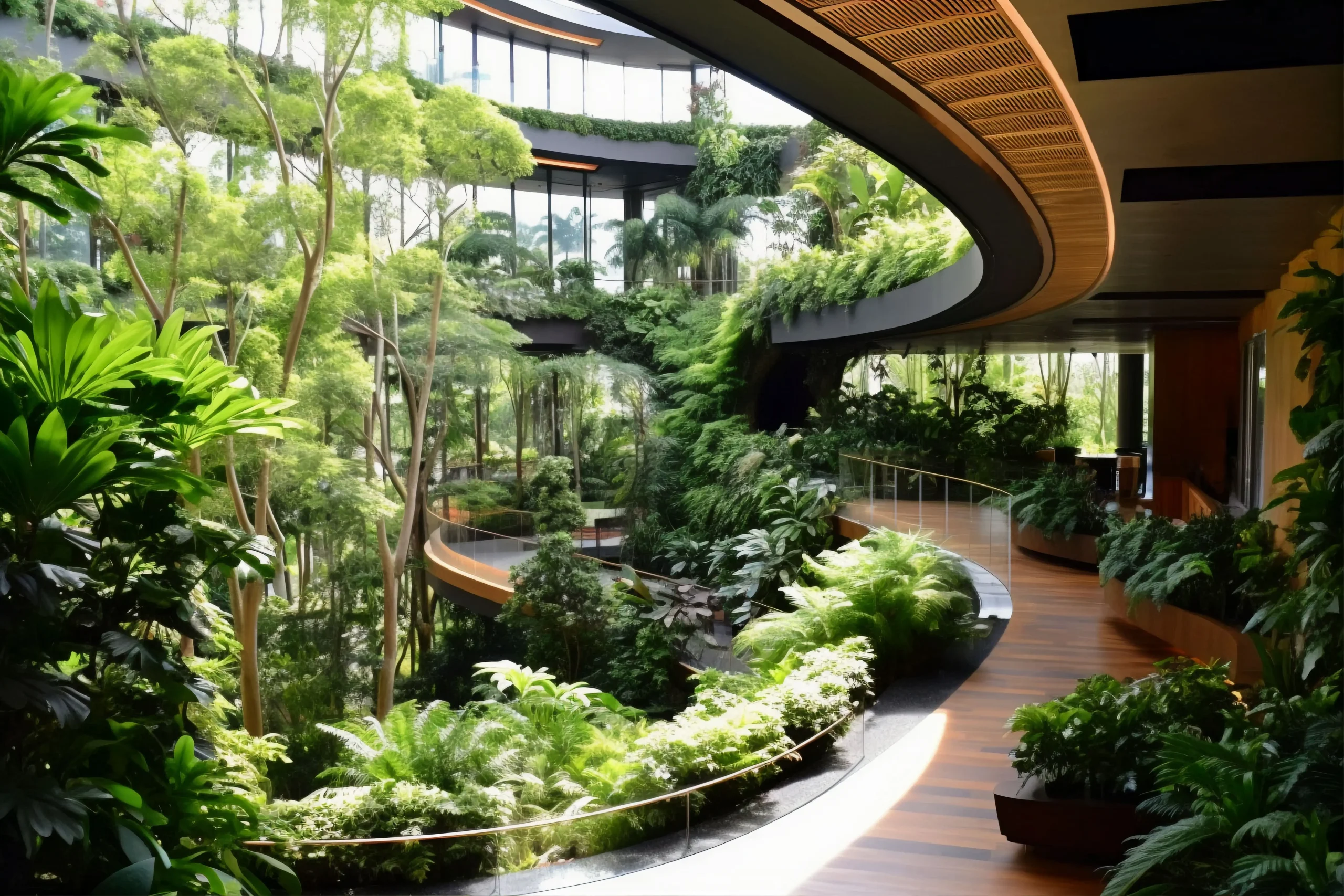
H.E.L.P. promotes green hospital design and retrofitting aligned with GRIHA and IGBC standards to reduce energy, water, and material consumption. Our work integrates climate-responsive architecture, efficient systems, and sustainable materials to create healing environments that benefit patients, staff, and surrounding communities—while lowering long-term operational costs.

Through leak detection, greywater reuse, rainwater harvesting, and staff awareness programmes, H.E.L.P. helps hospitals reduce water consumption by 30–40%, while ensuring reliable access to safe, potable water, critical for patient care and infection prevention.

Greener Hospitals for Healthier Care

Green buildings make healthcare safer, more efficient, and more resilient. H.E.L.P. supports hospitals to adopt climate-responsive design, efficient systems, and sustainable water practices, reducing costs, emissions, and vulnerability to climate stress.

Why
Green Buildings
Matters

Healthcare infrastructure directly affects patient outcomes, staff wellbeing, and system resilience.

  • Hospitals consume large amounts of energy and water due to round-the-clock operations
  • Inefficient buildings increase emissions, costs, and heat stress
  • Poor indoor environments affect patient recovery and staff performance

Green hospital design improves indoor air quality, thermal comfort, and resilience to climate extremes, making healthcare facilities safer, healthier, and more sustainable.

Energy, Water & Infrastructure Stress

Energy, Water & Infrastructure Stress

• Healthcare buildings are major contributors to energy demand and operational emissions
• Many hospitals depend heavily on groundwater, increasing vulnerability in drought-prone regions
• Climate change intensifies risks from heatwaves, water scarcity, and extreme rainfall

Green buildings offer a long-term solution by reducing resource demand while strengthening operational resilience.

previous arrow
next arrow

Our Approach

H.E.L.P. supports hospitals through integrated design, retrofitting, and operational improvements.

Climate-Responsive
Design

  • Natural ventilation and daylighting strategies
  • Passive cooling and thermal comfort solutions
  • Climate-adaptive site planning to reduce heat and flood risks

Efficient Systems
& Sustainable Materials

  • Energy-efficient HVAC and lighting systems
  • Water-efficient fixtures and rainwater harvesting systems
  • Sustainable, low-emission, and locally sourced building materials

Water-Smart Healthcare
Facilities

  • Leak detection and water-use audits
  • Greywater reuse for non-potable applications
  • Reducing groundwater dependence and promoting water-positive practices

Green
Operation Theatres (Green OT)

  • Reduction of anesthetic gas emissions
  • Improved indoor air quality
  • Energy efficiency and waste minimisation in critical care areas

GET YOUR MEMBERSHIP

Zero cost. Infinite possibilities.